
Manfred versus the Church
The Castle of OtrantoThis thread traces the struggle between Manfred's household authority and the Church's protection of sanctuary, conscience, and lawful marriage.
increasing Bearing strength in each event
 decreasing
Bearing strength in each eventdecreasingA Sanctuary Requested

A Sanctuary Requested
Isabella's Appeal
Isabella asks to remain at Saint Nicholas's altar until she can hear from her father. Jerome presents her request as a matter of protection, not defiance.
Sovereignty Challenged
Manfred insists that she return to his custody. His demand collides with the church's claim to shelter a woman from coercion.
Jerome's Rebuke

Jerome's Rebuke
A Priest Speaks Directly
Jerome refuses Manfred's attempt to exclude Hippolita from the discussion. He identifies himself as a servant of a higher authority and condemns the prince's proposed marriage.
Moral Authority Emerges
Manfred's rank cannot silence Jerome's religious office. Their exchange makes the conflict between political power and spiritual judgment explicit.
The Divorce Argument

The Divorce Argument
Policy Disguised as Conscience
Manfred asks Jerome to persuade Hippolita to accept a divorce, claiming that the state needs a male heir. He also invokes doubts about the legality of their marriage.
Refusal to Cooperate
Jerome recognizes that Manfred's scruples are a strategy for marrying Isabella. He warns against adultery and incestuous intention rather than lending religious legitimacy to the plan.
Threats at the Convent
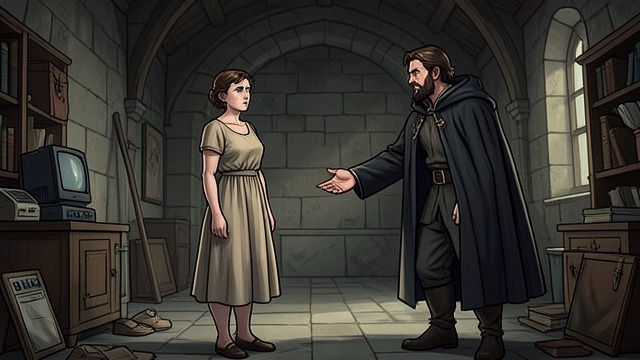
Threats at the Convent
The Church's Warning
Jerome declares that the church's judgment must be awaited and warns Manfred against forcing a divorce. Hippolita says she will hear only what her husband's authority permits, even as Jerome insists on speaking.
Political Retaliation
Manfred banishes Jerome's son and excludes the friar from his household. Unable to secure consent through persuasion, he turns to coercion.
The Secular Power Falls
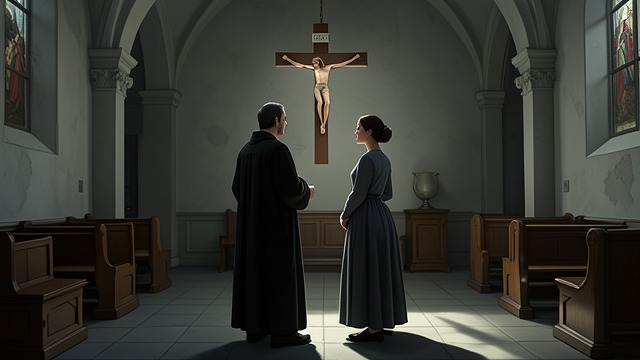
The Secular Power Falls
Judgment Fulfilled
Alfonso's apparition names Theodore heir, and Manfred accepts the judgment he can no longer oppose. The prince's earlier contempt for clerical advice gives way to confession.
Withdrawal into Religion
Manfred and Hippolita take religious habits after surrendering Otranto. The church's moral framework becomes the refuge of those who have lost political authority.
the first dawn after Conrad's death
the morning after Conrad's death
during their private conference
later that day
after Matilda's death
